
Diet Safety & Body Nutrients is here to help you with your goals, whether it is to lose weight, tone up or improve health, we are here for you.



Foods That Help Support Strong Teeth and Gums
Good oral health goes beyond just brushing and flossing—it also involves what you eat. A balanced diet rich in vitamins and minerals plays a crucial role in maintaining strong teeth and gums. While toothpaste and mouthwash can help fight bacteria and plaque, the right foods can provide your teeth with essential nutrients that promote long-term health.
This article focuses on the best foods for healthy teeth and gums, explaining how certain nutrients support oral health and prevent dental issues like cavities and gum disease. Alongside a proper oral hygiene routine, making smart food choices can help keep your smile healthy for years to come. Plus, as personalized dental care is extending to teeth whitening treatments, supporting your oral health through nutrition is more important than ever.
Key Nutrients for Healthy Teeth and Gums
The foundation of strong teeth and gums lies in key nutrients like calcium, vitamin D, phosphorus, and vitamin C. These nutrients work together to strengthen enamel, support gum tissue, and help fight off harmful bacteria in the mouth. Let’s take a closer look at the best foods that provide these essential nutrients.
Dairy Products: The Building Blocks of Strong Teeth
Dairy products, such as milk, cheese, and yogurt, are excellent sources of calcium and phosphorus, both of which are essential for maintaining healthy teeth. Calcium strengthens enamel, the outer protective layer of your teeth, while phosphorus works with calcium to rebuild enamel that might have been worn down.
Incorporating dairy into your daily diet can help keep your teeth strong and resistant to decay. Additionally, cheese helps stimulate saliva production, which naturally neutralizes acids in your mouth that could contribute to tooth decay. For a healthy snack, try pairing cheese with whole-grain crackers for added benefit.
Leafy Greens: Vitamin C for Gum Health
Leafy greens like spinach, kale, and Swiss chard are packed with vitamin C, which is crucial for maintaining healthy gums. Vitamin C helps your body produce collagen, a protein that keeps gum tissue strong and flexible. Without adequate vitamin C, gums can become swollen, bleed, and even recede, leading to conditions like gingivitis or periodontal disease.
In addition to vitamin C, leafy greens are rich in antioxidants and fiber, both of which help fight bacteria and stimulate saliva production. Try adding a variety of leafy greens to your salads, smoothies, or sandwiches to boost your gum health.
Crunchy Fruits and Vegetables: Natural Teeth Cleaners
Fruits and vegetables like apples, carrots, and celery are not only nutritious but also help clean your teeth naturally. The act of chewing these crunchy foods stimulates saliva production, which helps wash away food particles and neutralize acids in the mouth. This natural cleaning action can reduce plaque buildup and prevent tooth decay.
Apples are particularly beneficial because they contain fiber and water, which help cleanse the teeth and gums while providing a natural source of vitamin C. Carrots and celery, with their crunchiness, also promote healthy gums by gently massaging them as you chew.
Nuts and Seeds: Healthy Fats for Oral Health
Nuts like almonds, walnuts, and cashews, as well as seeds like sunflower and flaxseeds, are rich in healthy fats and minerals like magnesium, zinc, and calcium. These nutrients play a role in maintaining strong teeth and supporting overall oral health. Magnesium, for instance, is essential for maintaining the strength of tooth enamel and the health of bones and gums.
Nuts and seeds also provide a natural source of protein, which helps repair tissue and reduce inflammation. The texture of these foods can act like a natural toothbrush, helping to remove food particles and plaque from the teeth.
Green Tea: A Powerful Antioxidant for Oral Health
Green tea is more than just a refreshing beverage—it’s also a powerful source of antioxidants, specifically catechins, which help fight oral bacteria and reduce the risk of gum disease. Studies have shown that green tea can reduce the growth of bacteria that lead to cavities, gum disease, and bad breath.
Drinking green tea regularly can also help reduce inflammation in the gums and support overall oral health. Just be mindful of how much sugar you add to your tea, as excess sugar can contribute to tooth decay.
Fish and Omega-3 Fatty Acids: Reducing Inflammation
Fatty fish like salmon, mackerel, and sardines are excellent sources of omega-3 fatty acids, which are known for their anti-inflammatory properties. Chronic inflammation in the gums is a leading cause of gum disease, and omega-3 fatty acids help reduce this inflammation, promoting healthy gums.
Fish also provides vitamin D, which aids in the absorption of calcium, further contributing to strong teeth. Including fish in your diet two to three times a week can help keep your gums healthy and support the overall strength of your teeth.
Water: The Most Important Beverage for Oral Health
While not a food, water plays a vital role in maintaining strong teeth and gums. Drinking water throughout the day helps rinse food particles and bacteria from the mouth, preventing the buildup of plaque. Water also helps maintain hydration, which is essential for healthy gum tissue.
Additionally, many public water systems add fluoride, a mineral that helps strengthen tooth enamel and prevent decay. Make sure to drink plenty of water, especially after meals, to help keep your mouth clean and hydrated.
Conclusion: A Healthy Diet for a Healthy Smile
What you eat has a direct impact on the health of your teeth and gums. By incorporating nutrient-rich foods like dairy, leafy greens, crunchy fruits and vegetables, and omega-3 fatty fish, you can support the strength of your teeth and the health of your gums.
Remember, personalized dental care is extending to teeth whitening treatments, so it’s important to also maintain good nutrition and proper oral hygiene to achieve the best results. Along with regular brushing and flossing, a diet full of vitamins, minerals, and antioxidants will help ensure that your smile stays bright, strong, and healthy for years to come.
The Connection Between Dental Hygiene and Nutrition for Complete Health
Oral health is often treated as a separate category of wellness—something handled with a toothbrush, floss, and the occasional dental visit. However, modern research and clinical experience increasingly show that your mouth is deeply connected to the rest of your body. Taking care of your teeth and gums isn’t just about a bright smile; it’s about supporting overall health from head to toe. This is where dental hygiene and nutrition come together as a powerful, whole-body approach to wellness.
What you eat affects your teeth, and how you care for your mouth can influence your general health. From preventing cavities and gum disease to supporting heart health and immune function, the connection is stronger than many people realize. In this article, we’ll explore how dental hygiene and nutrition work together, which foods support oral health, and how a balanced approach can improve both your smile and your well-being.
Understanding Dental Hygiene Beyond Brushing
Dental hygiene refers to the daily practices that keep your mouth clean and healthy. This includes brushing at least twice a day, flossing, using mouthwash when appropriate, and scheduling regular dental checkups. While these habits may seem routine, their impact extends far beyond your teeth.
Poor oral hygiene can lead to plaque buildup, cavities, and gum disease. Gum disease, in particular, has been linked to systemic conditions such as heart disease, diabetes, and inflammation throughout the body. Bacteria from infected gums can enter the bloodstream, contributing to broader health issues. This is why dental professionals emphasize prevention as the foundation of long-term health.
Good dental hygiene also supports confidence and comfort. A healthy mouth makes eating easier, speech clearer, and social interactions more enjoyable. While some people explore cosmetic services like smile makeovers to enhance appearance, these treatments are most effective and long-lasting when built on a foundation of strong oral hygiene.
The Role of Nutrition in Oral Health
Nutrition plays a critical role in maintaining healthy teeth and gums. The foods you eat can either strengthen your oral structures or contribute to decay and disease. Sugary and highly processed foods feed harmful bacteria in the mouth, leading to acid production that erodes enamel. Over time, this increases the risk of cavities and sensitivity.
On the other hand, a nutrient-rich diet supports saliva production, enamel strength, and gum health. Calcium, phosphorus, and vitamin D help build and maintain strong teeth. Vitamin C is essential for healthy gums and wound healing, while antioxidants help reduce inflammation in oral tissues.
Hydration is another key factor. Drinking plenty of water helps wash away food particles and bacteria while supporting saliva flow. Saliva acts as your mouth’s natural defense system, neutralizing acids and providing minerals that repair early enamel damage.
When discussing dental hygiene and nutrition, it’s important to recognize that healthy eating habits don’t just benefit your mouth—they support digestion, immunity, and overall energy levels as well.
Foods That Support a Healthy Smile
A whole-body approach to oral health includes choosing foods that naturally protect and strengthen your teeth and gums. Some of the most beneficial options include:
-
Dairy products like milk, cheese, and yogurt, which are rich in calcium and phosphates that help remineralize enamel
-
Crunchy fruits and vegetables such as apples, carrots, and celery, which stimulate saliva production and gently clean teeth
-
Leafy greens like spinach and kale, packed with vitamins and minerals that support gum health
-
Lean proteins including fish, eggs, and poultry, which provide phosphorus and vitamin D
-
Nuts and seeds, offering healthy fats and minerals that support oral tissues
Limiting sugary snacks, sodas, and acidic drinks is equally important. These items increase the risk of erosion and decay, even in people who brush regularly.
The Mouth-Body Connection
The idea of treating oral health as part of whole-body wellness is becoming more widely accepted in healthcare. Inflammation in the gums has been associated with conditions such as cardiovascular disease, diabetes complications, and even respiratory infections. Conversely, systemic health issues can also show up in the mouth, sometimes as early warning signs.
For example, uncontrolled diabetes can make gum disease more severe, while vitamin deficiencies may lead to bleeding gums or delayed healing. This two-way relationship highlights why dental hygiene and nutrition should be considered together, not separately.
By supporting your body with nutritious foods and maintaining consistent oral care, you reduce inflammation and create an environment where both your mouth and body can thrive.
Preventive Care and Lifestyle Habits
A whole-body approach doesn’t stop at diet and brushing. Lifestyle habits such as stress management, adequate sleep, and avoiding tobacco products all influence oral health. Chronic stress can weaken the immune system, making it harder to fight off gum infections. Smoking and vaping significantly increase the risk of gum disease, tooth loss, and oral cancer.
Regular dental visits allow professionals to detect problems early, provide personalized advice, and recommend treatments when needed. Some patients may choose cosmetic services like smile makeovers to address discoloration, alignment, or minor damage, but prevention remains the most cost-effective and health-focused strategy.
A Balanced Approach to Aesthetics and Health
There’s nothing wrong with wanting an attractive smile. Confidence plays a major role in mental and social well-being. However, aesthetics should complement health, not replace it. Cleanings, exams, and good nutrition ensure that any cosmetic services like smile makeovers are supported by healthy gums and strong teeth.
When oral health and nutrition are aligned, cosmetic treatments tend to look better and last longer. Healthy gums frame the teeth properly, and strong enamel responds better to whitening or restorative procedures. This balanced approach ensures that beauty and function go hand in hand.
Practical Tips for Daily Life
To integrate dental hygiene and nutrition into your routine, consider these practical steps:
-
Brush twice daily with fluoride toothpaste and floss once a day
-
Eat balanced meals with minimal added sugar
-
Drink water throughout the day, especially after meals
-
Choose snacks that support oral health, like cheese or vegetables
-
Schedule regular dental checkups and cleanings
Small, consistent habits can make a significant difference over time, improving not just your oral health but your overall quality of life.
Conclusion
Your mouth is not isolated from the rest of your body—it’s an essential part of it. By embracing dental hygiene and nutrition as interconnected pillars of health, you can prevent disease, boost confidence, and support long-term wellness. From the foods you choose to the habits you practice each day, every decision plays a role in shaping your oral and overall health.
Whether your goal is disease prevention, improved energy, or even exploring cosmetic services like smile makeovers, a whole-body approach ensures that your smile reflects true health from the inside out.
The Connection Between Diet Safety and Oral Health
Why Oral Health Starts with Diet Safety
Oral health is often thought of as a matter of brushing, flossing, and visiting the dentist. While these habits are essential, they represent only part of the picture. What we eat, how safely food is prepared, and the nutrients we consume play a critical role in maintaining healthy teeth and gums. Diet safety and oral health are deeply interconnected, influencing not only the condition of the mouth but also overall wellbeing.
A whole-body perspective on health recognizes the mouth as the entry point to the digestive system. Every nutrient the body relies on must pass through the oral cavity first. When diet safety is overlooked or nutrition is unbalanced, oral health is often one of the earliest areas to show signs of stress.
Understanding Diet Safety in Everyday Nutrition
Diet safety refers to the quality, cleanliness, and nutritional integrity of the foods we consume. It includes avoiding contaminated foods, limiting excessive additives, and ensuring proper storage and preparation methods. Even foods that appear healthy can negatively impact oral health if they are highly acidic, overly processed, or high in added sugars.
Unsafe or poor-quality diets can weaken tooth enamel, irritate gum tissue, and promote the growth of harmful bacteria in the mouth. Over time, this imbalance increases the risk of decay, sensitivity, and gum inflammation. Prioritizing diet safety helps protect the mouth from unnecessary exposure to substances that compromise oral health.
The Role of Nutrition in Supporting Oral Health
Nutrition provides the building blocks needed to maintain strong teeth and healthy gums. Key nutrients such as calcium, phosphorus, vitamin D, and vitamin C play essential roles in enamel strength, bone density, and gum integrity.
When these nutrients are lacking, oral tissues become more vulnerable to damage and infection. Diets that are nutritionally inadequate or heavily processed may supply calories without delivering the nutrients required for proper oral health maintenance. This highlights why food quality matters just as much as quantity.
A diet that emphasizes whole, nutrient-dense foods supports oral health by strengthening the structures that protect teeth and surrounding tissues.
Sugar, Acids, and Their Impact on Oral Health
One of the most significant dietary risks to oral health is frequent exposure to sugar and acidic foods. Sugar feeds bacteria in the mouth, leading to acid production that erodes enamel. Acidic beverages and foods can directly weaken tooth surfaces, making them more susceptible to decay.
Diet safety does not mean eliminating all sugars or acids, but rather managing their frequency and form. Consuming sugary or acidic foods occasionally and as part of balanced meals is less harmful than constant snacking or sipping throughout the day.
Awareness of these dietary patterns is essential for protecting long-term oral health.
The Mouth’s Role in Digestion and Nutrient Absorption
Digestion begins in the mouth. Chewing breaks food down into smaller particles, making nutrients more accessible to digestive enzymes. Saliva also plays a key role in neutralizing acids and initiating digestion.
When oral health is compromised—due to pain, sensitivity, or gum issues—chewing efficiency may decline. This can place additional strain on the digestive system and reduce nutrient absorption. Maintaining healthy teeth and gums supports effective digestion and helps the body extract maximum benefit from food.
This connection reinforces why oral health is not isolated from broader nutritional health.
Diet Safety, Inflammation, and Gum Health
Poor dietary habits can contribute to inflammation throughout the body, including in the gums. Diets high in refined carbohydrates, added sugars, and unhealthy fats are associated with increased inflammatory responses.
Gum inflammation is not just a localized issue. It can influence systemic health by contributing to chronic inflammation. A diet that prioritizes safety and nutrient balance helps reduce inflammatory stress, supporting healthier gums and a more stable oral environment.
This is another example of how diet safety and oral health are intertwined.
Safe Food Choices That Support Oral Health
Certain foods actively support oral health when consumed as part of a balanced, safe diet. These include:
-
Crunchy fruits and vegetables that stimulate saliva production
-
Dairy or fortified alternatives that provide calcium and phosphorus
-
Lean proteins that support tissue repair
-
Whole grains that provide steady energy without excessive sugar spikes
Limiting sticky, highly processed foods and sugary beverages reduces the risk of prolonged acid exposure. Making mindful food choices supports both diet safety and oral health simultaneously.
Preventative Oral Health Through Nutrition Awareness
Preventative care extends beyond dental hygiene routines. Being aware of how diet affects oral tissues allows individuals to take proactive steps before problems develop. Nutrient deficiencies, enamel erosion, and gum irritation often develop gradually, making early prevention essential.
Professional guidance plays an important role here. Many people seek support from dental professionals, including urban fringe dentists like this Geelong clinic, who often emphasize the importance of nutrition and diet safety as part of comprehensive oral health care.
Combining professional advice with informed dietary choices strengthens preventative strategies.
The Hidden Risks of Poor Diet Safety
Poor diet safety does not always produce immediate symptoms. Over time, however, it can contribute to weakened enamel, increased plaque buildup, and chronic gum irritation. These changes may go unnoticed until they result in discomfort or more serious oral health concerns.
Highly processed foods, frequent snacking, and inadequate nutrient intake create conditions where harmful bacteria thrive. Addressing these risks early through safer dietary practices helps protect oral health before damage becomes difficult to reverse.
Building Sustainable Habits for Oral Health
Long-term oral health is supported by consistency rather than extremes. Sustainable habits include choosing whole foods, practicing safe food handling, and being mindful of how often teeth are exposed to sugars and acids.
Hydration also plays an important role, as water supports saliva production and helps rinse away food particles. These everyday habits work together to maintain a balanced oral environment.
When diet safety becomes part of a daily routine, oral health benefits naturally follow.
Oral Health as Part of Whole-Body Wellbeing
Oral health reflects overall health more than many people realize. Changes in the mouth can signal nutritional imbalances or unsafe dietary patterns. Conversely, a healthy mouth supports digestion, nutrient absorption, and comfort.
A whole-body approach to health often extends beyond diet and oral care into other personal wellness routines, such as skin and scalp maintenance, where products like scalp restoration oil or breathable lace tints and wig adhesives support confidence and comfort as part of daily self-care.
Strengthening Oral Health Through Safer Nutrition
The connection between diet safety and oral health is clear. Safe, balanced nutrition provides the nutrients needed to maintain strong teeth and healthy gums while reducing exposure to substances that promote decay and inflammation.
By making informed food choices, limiting dietary risks, and seeking professional guidance when needed—including from urban fringe dentists like this Geelong clinic—individuals can take meaningful steps toward protecting their oral health.
True oral health is built from the inside out. When diet safety and nutrition are aligned with good dental care practices, the benefits extend far beyond the mouth, supporting long-term wellbeing and quality of life.
Dental Hygiene and Nutrition: A Whole-Body Approach
Health Starts with What You Eat—and How You Care for Your Body
Diet safety and nutrition are often discussed in the context of digestion, weight management, or disease prevention. Dental hygiene, on the other hand, is frequently treated as a separate concern. In reality, these areas are deeply connected. A whole-body approach to health recognizes that what you eat, how safely food is prepared, and how well the mouth functions all influence overall wellbeing.
The mouth is the gateway to the body. Every nutrient consumed must pass through it before it can nourish cells, tissues, and organs. This makes dental hygiene an essential, though often overlooked, component of diet safety and nutritional effectiveness.
Understanding Diet Safety in a Whole-Body Context
Diet safety refers to choosing, preparing, and consuming food in ways that protect the body from harmful substances while preserving nutritional value. This includes minimizing exposure to contaminants, excessive additives, and nutrient-poor processed foods.
Unsafe dietary practices can interfere with the body’s ability to absorb nutrients efficiently. Even when calorie intake is sufficient, poor food quality or improper handling may lead to deficiencies, inflammation, or digestive stress.
A whole-body approach emphasizes that diet safety is not just about avoiding illness—it is about ensuring the body receives nutrients in forms it can actually use.
Nutrition as the Foundation of Dental Hygiene
Nutrition plays a critical role in maintaining healthy teeth and gums. Body nutrients such as calcium, phosphorus, vitamin D, and vitamin C support tooth structure, gum integrity, and tissue repair. When these nutrients are lacking, oral tissues may weaken, increasing the risk of decay, inflammation, and discomfort.
Diet safety also affects dental hygiene by influencing bacterial balance in the mouth. Diets high in added sugars and refined carbohydrates promote harmful bacteria, while nutrient-dense foods support a healthier oral environment.
When nutrition and dental hygiene are aligned, the mouth can function as an efficient first step in digestion rather than a barrier to it.
The Mouth’s Role in Nutrient Absorption
Digestion begins before food reaches the stomach. Proper chewing breaks food into smaller particles, increasing surface area for digestive enzymes and improving nutrient availability. Dental discomfort, poor hygiene, or missing teeth can limit chewing efficiency, placing added strain on the digestive system.
This is why comprehensive health strategies often include practices such as proper oral care and regular dental hygiene examinations, which help ensure that the mouth can perform its role in digestion effectively.
When the mouth functions optimally, nutrients are more readily absorbed downstream, supporting energy levels, immune response, and overall health.
Diet Safety and Inflammation
Chronic inflammation is often linked to poor dietary habits and inadequate oral hygiene. Diets high in ultra-processed foods, added sugars, and unhealthy fats can promote inflammatory responses throughout the body, including in the gums.
Gum inflammation does not remain localized. It can contribute to systemic inflammation, which has been associated with a range of long-term health concerns. By prioritizing diet safety and nutrient balance, individuals can reduce inflammatory burden and support both oral and overall health.
A whole-body approach recognizes that inflammation in one area often reflects imbalances elsewhere.
Safe Food Choices That Support Oral Health
Diet safety supports dental hygiene when food choices are made with both nutrition and oral impact in mind. Foods that strengthen teeth and gums while minimizing risk include:
-
Whole fruits and vegetables that stimulate saliva production
-
Lean proteins that support tissue repair
-
Dairy or fortified alternatives that provide calcium and phosphorus
-
Whole grains that offer steady energy without excessive sugar spikes
At the same time, limiting frequent consumption of acidic beverages, sugary snacks, and sticky processed foods helps protect tooth enamel and gum tissue.
The Hidden Effects of Unsafe Dietary Habits
Unsafe dietary habits do not always produce immediate symptoms. Over time, however, they may contribute to weakened enamel, gum sensitivity, nutrient deficiencies, and digestive inefficiency.
When diet safety is overlooked, the body may struggle to maintain balance even with good hygiene practices. This highlights why nutrition and dental care should be viewed as complementary, not separate, aspects of health.
Dental Hygiene as Preventative Health Care
Dental hygiene is a form of preventative care that extends beyond the mouth. Healthy gums and teeth reduce the body’s inflammatory load and support efficient nutrient intake.
Preventative strategies include:
-
Consistent daily oral hygiene practices
-
Attention to dietary patterns and food safety
-
Monitoring changes in oral comfort or function
-
Routine professional assessments
These measures help identify early signs of imbalance before they affect broader health systems.
Connecting Diet Safety to Long-Term Wellness
Long-term health depends on consistency rather than extremes. A whole-body approach to diet safety focuses on sustainable habits that protect nutrient quality and bodily function over time.
When safe nutrition supports dental hygiene, and dental health supports digestion, the body operates more efficiently as a whole. Energy levels stabilize, immune function improves, and the risk of chronic issues decreases.
This interconnected system highlights why isolated health strategies often fall short.
Building a Whole-Body Health Routine
A practical, whole-body routine integrates nutrition, safety, and hygiene without unnecessary complexity. Key components include:
-
Choosing minimally processed, nutrient-dense foods
-
Practicing safe food storage and preparation
-
Supporting oral health through daily care
-
Maintaining awareness of how diet affects the body
These habits reinforce one another, creating a foundation that supports both immediate wellbeing and long-term health outcomes.
A Unified Approach to Health
Dental hygiene and nutrition are not separate paths to health—they are part of the same system. Diet safety ensures the body receives clean, nourishing fuel, while dental hygiene ensures that fuel can be processed effectively.
By adopting a whole-body approach that values safe nutrition, balanced nutrients, and consistent oral care—including regular dental hygiene examinations—individuals can support their health at every level.
True wellness is built through connection: between systems, habits, and informed choices. When diet safety and dental hygiene work together, the entire body benefits.
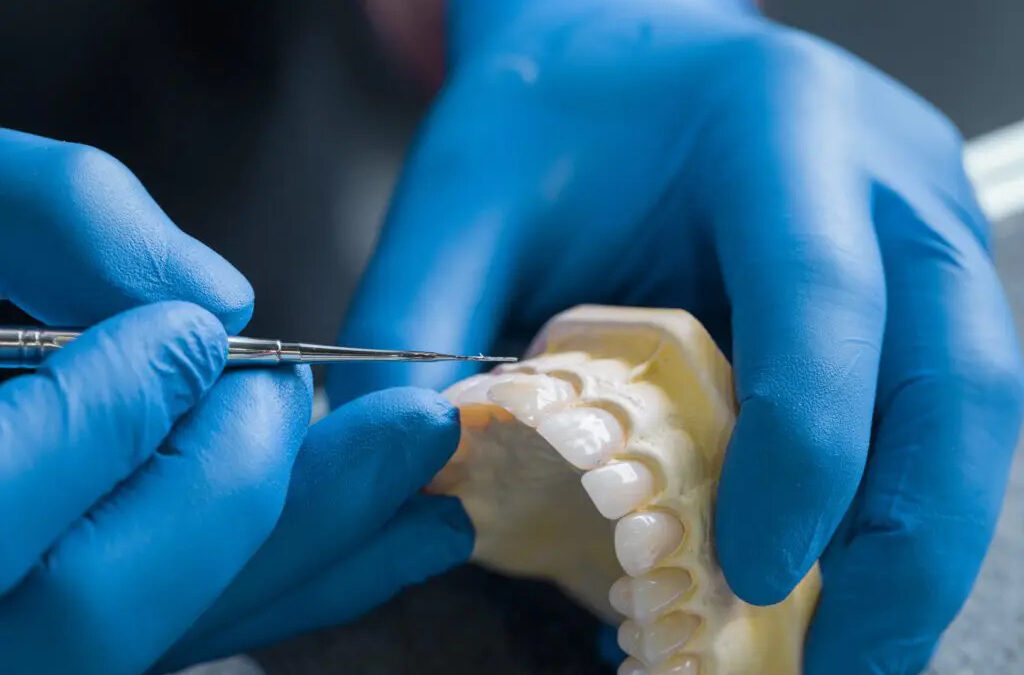
Fixing Your Smile: The Cosmetic Dentistry Hype of 2026
Cosmetic dentistry has never been more in demand than it is in 2026. What was once a niche branch of dentistry reserved for celebrities, wedding-day perfectionists, or those seeking major reconstructive upgrades has now become a mainstream priority for everyday Australians. Fuelled by rapid technological advancements, social media influence, and a cultural shift toward personal wellbeing and confidence, the cosmetic dentistry landscape has evolved at lightning speed. Patients are more informed, more results-driven, and more image-conscious than ever — and clinics across the country are adapting to meet these expectations with sophisticated treatments that are faster, safer, and astonishingly natural-looking.
The Cultural Shift: Confidence as Healthcare
The biggest change in 2026 is not simply the availability of treatments — it’s the shift in public attitude. A straight, bright, harmonious smile is no longer viewed as vanity; it’s considered an essential part of personal health, emotional wellbeing, and professional presence.
A number of lifestyle and social dynamics have intensified this shift:
1. The Social Media Aesthetic
Platforms like Instagram, TikTok, and even LinkedIn have normalised smile transformations. Before-and-after videos, veneer journeys, aligner diaries, and whitening reviews have demystified cosmetic dentistry. People no longer see a perfect smile as something “other people have”—they watch average individuals reshape their smiles in real time.
2. The Rise of the “Wellness Identity”
Cosmetic dentistry now sits alongside skincare, diet, and fitness as part of overall self-care. Patients frame their smile enhancement as part of feeling good, presenting well, and experiencing life confidently.
3. The Post-Mask Boom
After years of masks during the pandemic era, the return to full-face visibility has reignited attention on oral aesthetics. The cosmetic dentistry surge of 2024–2025 has only accelerated into 2026.
4. Improvements in Accessibility
More clinics such as this cosmetic dentist in Melbourne’s Narre Warren, more price-point options, and more treatment diversity mean people from all backgrounds can access cosmetic services once considered premium.
Technology at the Heart of the 2026 Smile Revolution
The most impressive driver of the cosmetic dentistry hype is the technology that now underpins nearly every treatment.
Digital Smile Design 4.0
DSD has evolved into a highly precise, AI-supported design system that maps a patient’s face, lips, bite, and expressions to create personalised “smile blueprints.”
Patients preview their future smile in facial movement, not just static photos.
AI predicts how teeth will look in speech, laughter, and everyday conversation.
Dentists use digital mockups to custom-craft veneers and crowns with near-perfect accuracy.
DSD is now the standard for any major cosmetic treatment planning.
Ultra-Thin Porcelain Veneers
The new generation of 2026 veneers is lighter, stronger, and minimally invasive. Many cases require little to no tooth reduction, addressing long-standing fears of irreversible tooth shaving.
The aesthetics have also improved:
Multi-layer translucency mimics natural enamel
Custom textures and shading create real-tooth imperfections for authenticity
Modern bonding systems extend veneer lifespan to 15–25 years
No wonder veneers have become the go-to upgrade for young professionals and midlife smile rejuvenators.
Faster, Clearer, Smarter Orthodontic Aligners
Clear aligner technology now uses smart scanning, AI tracking, and accelerated movement algorithms. In many cases, treatment times have dropped by 30–40%. Attachments are smaller and more discreet, and aligners fit more comfortably than before.
The biggest change: remote monitoring.
Patients use smartphone-based accuracy scanners that allow dentists to track progress weekly without constant appointments. This has triggered a surge in adults seeking orthodontic correction.
Biomimetic Ceramic Crowns and Bridges
Advanced ceramics in 2026 reflect and refract light like natural enamel, making cosmetic crowns virtually indistinguishable from real teeth. Modern milling machines produce restorations with microscopic precision, often in a single visit.
The Whitening Revolution
Professional whitening has evolved into gentler, longer-lasting, sensitivity-controlled systems using:
Light-activated gels
Biomineralising agents to strengthen enamel
Personalised shade-tracking technology
Patients no longer fear extreme sensitivity or “too-white fake” appearances — whitening is now subtle and calibrated.
The 2026 Cosmetic Dentistry Trends Dominating Australia
As cosmetic dentistry has grown more sophisticated and accessible, here at DSBN we’ve observed a handful of treatments have risen above the rest.
1. “Prejuvenation” Dentistry
Borrowing from dermatology, this trend focuses on maintaining youthful aesthetics before ageing effects set in. Common approaches include:
Early orthodontics to prevent crowding
Enamel preservation strategies
Micro-veneers to optimise tooth shape
Preventative whitening routines
Younger adults (ages 18–30) are leading this movement.
2. Smile Harmonisation Packages
Instead of piecemeal treatments, patients now choose multi-procedure packages designed to produce cohesive results. These often include:
Whitening
Veneers or bonding
Gum contouring
Orthodontic refinement
Facial proportion planning
These packages are especially popular before significant life events such as weddings, graduations, or public-facing career changes.
3. Cosmetic Bonding as an Affordable Veneer Alternative
With impressive improvements in composite materials, bonding now provides a fast and cost-effective solution for chips, gaps, shape corrections, and colour enhancement. In skilled hands, it can rival veneer aesthetics for a fraction of the cost.
4. Non-Surgical Gum Aesthetics
Laser gum contouring and depigmentation are booming. Patients recognise that a beautiful smile is not only about the teeth—it’s also about balanced gum architecture.
5. “Natural Aesthetic” Veneers
The trend has shifted away from ultra-white, uniform “US influencer” veneers toward more subtle, bespoke, natural-tone results. Dentists now craft veneers to match facial features and personality, not trends.
6. Full-Arch Cosmetic Rehabilitation
Thanks to the advancements in All-on-4 and full-arch ceramic bridges, even major transformations are now achievable within a day or two. Patients with failing teeth can leave with a complete new smile that is functional, strong, and aesthetically exceptional.
Choosing the Right Cosmetic Dentist in 2026
With demand skyrocketing, it’s more important than ever to choose a cosmetic dentist carefully. Key considerations include:
1. Training and Accreditation
Look for dentists with postgraduate cosmetic training, membership in aesthetic dental academies, and extensive case portfolios.
2. Digital Capabilities
A modern cosmetic dentist should offer:
Digital Smile Design
3D scanning
On-site milling
AI progress tracking
These tools are now industry standard.
3. Portfolio of Real Patients
Authenticity matters. Before-and-after galleries should showcase:
Realistic results
Natural tooth shine
Facial harmony
A range of ages and cases
4. Transparent Treatment Planning
The best dentists explain biology, engineering, and aesthetics—not just cost and appearance.
5. Patient-Centred Philosophy
Cosmetic dentistry requires artistry, empathy, and ethics. A good dentist prioritises long-term wellness over shortcuts or trendy procedures.
The Future of Cosmetic Dentistry Beyond 2026
Industry leaders predict that the next wave will include:
Regenerative enamel technology
Smart bio-responsive veneers
AI-driven treatment simulation
Hyper-realistic custom ceramics
Precision 5D smile analysis
As science merges more deeply with aesthetics, the possibilities will expand even further.
More Than a Feeling
Cosmetic dentistry in 2026 is more than a trend — it’s a transformative movement shaped by culture, technology, and personal empowerment. Whether enhancing confidence, repairing wear-and-tear, or completely redesigning a smile, today’s treatments are safer, more natural, and more accessible than ever before.
A great smile doesn’t just look good; it changes how people feel, engage, and express themselves. And in 2026, the journey to that smile has never been more advanced, more personalised, or more exciting.
Root Canal Therapy: Restoring Comfort and Preserving Smiles
Welcome to our blog post on the topic of root canal therapy – where we delve into the world of oral healthcare and how this treatment can restore comfort and preserve smiles. If you’ve ever experienced tooth pain or have been advised by your dentist that you may need root canal treatment, then this article is for you! We’ll explore what exactly root canal therapy entails, why it’s necessary in certain cases, how it’s performed, and what to expect during the recovery process. So grab a cup of tea (or your beverage of choice) and let’s dive in together as we uncover the ins and outs of this important dental procedure. And hey, if you’re interested in even more tips on maintaining optimal oral health, stick around because we’ll also be exploring social media channels for valuable insights and advice. Let’s get started!
What is root canal therapy?
What is root canal therapy? It’s a question that often comes up when discussing dental procedures. Root canal therapy, also known as endodontic treatment, is a procedure performed to save and restore teeth that have been severely infected or damaged.
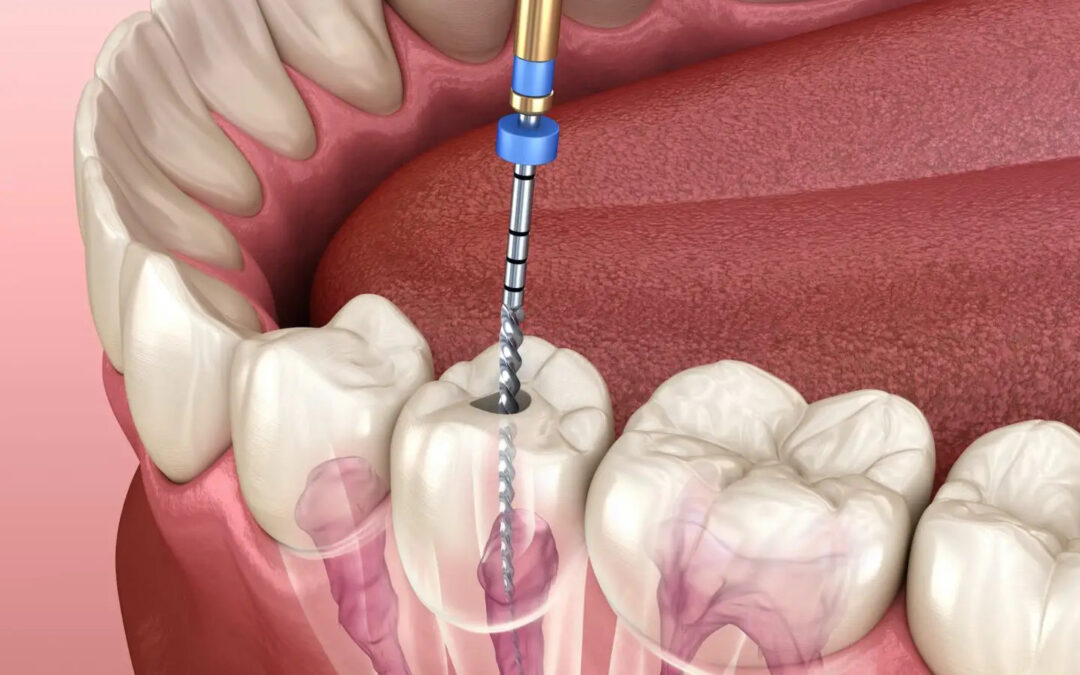
The interior of our teeth contains a soft tissue called pulp, which houses nerves, blood vessels, and connective tissues. When this pulp becomes infected or inflamed due to deep decay, cracks in the tooth enamel, or trauma to the tooth, it can cause severe pain and sensitivity.
Root canal therapy aims to remove the infected or damaged pulp from within the tooth’s interior. The process involves cleaning out and disinfecting the root canals before filling them with a special material called gutta-percha. This helps seal off any potential sources of infection and prevents further damage.
By addressing these issues through root canal treatment rather than resorting to extraction, we can preserve natural teeth and maintain proper oral function. Plus, preserving your natural smile has aesthetic benefits too!
Understanding what root canal therapy entails is crucial for anyone facing this possibility at their dentist’s office. Now that we’ve covered the basics let’s delve deeper into why you might need this treatment in the first place!
Why do I need root canal therapy?
Root canal therapy is a dental procedure that is necessary when the pulp of your tooth becomes infected or damaged. The pulp is the soft tissue inside the tooth, containing blood vessels, nerves, and connective tissue. When this delicate interior becomes compromised, it can lead to severe pain and discomfort.
There are several reasons why you might require root canal therapy. One common cause is deep decay or cavities that have reached the inner layers of the tooth. Trauma or injury to the tooth can also damage the pulp. In some cases, repeated dental procedures on a specific tooth can weaken it and make it susceptible to infection.
If you experience persistent pain in a particular tooth, sensitivity to hot or cold temperatures, swelling around the gums, or discoloration of the affected tooth, these may be signs that you need root canal therapy.
During this procedure, your dentist will remove the infected or damaged pulp from within your tooth’s interior. This helps alleviate pain and prevents further spread of infection. After removing the pulp, they will clean and disinfect the area before sealing it with a filling material.
By addressing issues within your teeth through root canal treatment early on, you can preserve your natural smile while enjoying restored comfort in daily life.
How is root canal therapy performed?
Root canal therapy, also known as endodontic treatment, is a procedure performed to save a tooth that has been severely damaged or infected. It involves the removal of infected or damaged pulp from within a tooth’s interior, with root canal treatment addressing this issue.
So, how exactly is root canal therapy performed? First, your dentist will begin by numbing the area around the affected tooth using local anesthesia. This ensures that you don’t feel any discomfort during the procedure. Once you’re numb and comfortable, your dentist will create an access point in the tooth by drilling a small hole.
Through this access point, specialized instruments are used to remove the infected pulp from inside the tooth’s canals. The canals are then thoroughly cleaned and disinfected to eliminate any remaining bacteria. After cleaning, your dentist will fill and seal the canals with a rubber-like material called gutta-percha.
In some cases where extensive damage has occurred or for additional support, your dentist may recommend placing a dental crown over the treated tooth. This helps restore its functionality while protecting it from further damage.
Root canal therapy is typically completed in one or two visits to your dentist’s office depending on individual circumstances. Following the procedure, you may experience minor discomfort which can be managed with over-the-counter pain medications prescribed by your dentist.
Remember to always consult with an experienced dental professional who can assess your specific situation and provide appropriate guidance for preserving both comfort and smiles!
What can I expect after root canal therapy?
After undergoing root canal therapy, it’s natural to wonder what you can expect in terms of recovery and post-treatment care. The good news is that most patients experience minimal discomfort following the procedure. You may have some soreness or tenderness around the treated tooth for a few days, but this can usually be managed with over-the-counter pain relievers.
It’s important to follow your dentist’s instructions for post-treatment care. This typically includes avoiding chewing on hard or sticky foods until the area has fully healed. You may also need to continue taking any prescribed antibiotics if an infection was present.
In some cases, your dentist may recommend placing a dental crown on the treated tooth to provide additional protection and support. This will help to restore both function and aesthetics.
Maintaining good oral hygiene practices is crucial after root canal therapy. Brushing twice daily with fluoride toothpaste and flossing regularly will help prevent future dental issues.
If you experience severe pain, swelling, or prolonged bleeding after root canal therapy, it’s important to contact your dentist right away as these could be signs of complications that require immediate attention.
Remember, every patient is unique and healing times can vary. If you have any concerns or questions about what to expect after root canal therapy, don’t hesitate to reach out to your dentist for guidance and reassurance.
Remember! Regularly exploring social media channels for valuable insights and tips on oral healthcare can help prevent future dental problems!

And Now There’s A Link Between High Fat Diets And Gum Disease
For years, we have known that eating a high fat diet can lead to numerous health problems, such as obesity and heart disease. But now there’s compelling research that suggests a link between high fat diets and gum disease as well. Recent studies have highlighted the potential for high fat diets to increase your risk of developing periodontal diseases, such as gingivitis and periodontitis. In this blog post, we will explore how this link works, what consequences it has on our oral health, and how you can reduce your risk of developing gum disease. Read on to learn more about this important connection between diet and dental health!
What is Gum Disease?
Gum disease is a serious infection of the gums that can lead to tooth loss. It is caused by bacteria that build up on the teeth and gums. These bacteria can cause inflammation and bleeding of the gums. If left untreated, gum disease can progress to periodontitis, which is a more serious form of gum disease that can result in bone loss and tooth loss. Gum disease is preventable with good oral hygiene and regular dental checkups.
The Link Between High Fat Diets and Gum Disease
There’s a new study that links high fat diets with gum disease. The study, published in the Journal of Periodontology, found that people who consume a diet high in saturated fat are more likely to develop periodontitis, which is a serious form of gum disease.
This is the first study to link dietary fat intake with periodontitis. The researchers looked at data from over 11,000 adults who participated in the National Health and Nutrition Examination Survey. They found that those who consumed the most saturated fat were 22% more likely to develop periodontitis than those who consumed the least amount of saturated fat.
Saturated fat is found in animal products such as meat, butter, and cheese. It’s also found in some plant-based oils such as coconut oil and palm oil. The American Heart Association recommends limiting saturated fat intake to no more than 6% of total daily calories.
If you’re concerned about your risk of developing gum disease, talk to your dentist or periodontist about ways to reduce your risk.
How to Prevent Gum Disease
Gum disease is a serious problem that can lead to tooth loss and other health problems. There are a few things you can do to help prevent gum disease:
1. Brush your teeth twice a day with a soft-bristled brush. Be sure to use gentle circular motions and avoid scrubbing too hard.
2. Floss your teeth every day. This will help remove plaque and bacteria from between your teeth and gums.
3. Eat a healthy diet. A diet high in sugar can contribute to gum disease, so be sure to eat plenty of fruits, vegetables, and whole grains.
4. Quit smoking. Smoking is a major risk factor for gum disease, so quitting will help reduce your chances of developing the condition.
5. See your dentist regularly for cleanings and checkups. Your dentist can spot early signs of gum disease and provide treatment to help prevent it from getting worse. You can also find tips from social media, many dentists are now becoming instagram influencers who are uploading informative videos about oral health.
How to Maintain Good Oral Health
There are many things you can do to maintain good oral health and prevent gum disease. First, brush your teeth at least twice a day with fluoride toothpaste. Floss daily to remove plaque from between your teeth. We all know oral health is important, which is why general examination is one of the best way to monitor your oral health. Visit your dentist regularly for professional cleanings and checkups.
Eat a balanced diet and avoid sugary snacks and drinks. Quit smoking if you smoke cigarettes or use tobacco products. Use a mouth rinse to help reduce plaque and bacteria in your mouth.
Some medical conditions can increase your risk for gum disease. If you have diabetes, make sure to control your blood sugar levels and see your dentist regularly. If you are taking medication that causes dry mouth, talk to your dentist about ways to combat this side effect.
Conclusion
In conclusion, high fat diets have been linked to an increased risk of gum disease. This is yet another reason why it’s important to monitor your diet and consume a variety of healthy foods in order to maintain good oral health. Eating a balanced diet with lean proteins, whole grains, fruits, vegetables and healthy fats can help keep your teeth and gums strong. If you are concerned about your current eating habits or if you are experiencing any periodontal issues such as bleeding gums or bad breath, talk to your dentist about the best options for maintaining oral hygiene.
Restorative Dentistry: Growing Replacement Teeth via Stem Cells
Dental stem cells are a type of adult stem cell that can be found in our teeth. These cells have the ability to grow and regenerate into different types of dental tissue, making them a promising option for restorative dentistry. While dental stem cells are still in the early stages of research, there is already evidence that they could be used to grow replacement teeth. In one study, for example, dental stem cells were used to grow new tooth buds in rats. If you’re interested in learning more about this cutting-edge field of dentistry, read on for everything you need to know about growing replacement teeth via dental stem cells.
What is restorative dentistry?
Restorative dentistry is a field of dental medicine that focuses on the replacement or repair of teeth that have been damaged or lost. This can be done through a variety of methods, including using stem cells to grow new teeth.
Stem cells are undifferentiated cells that have the ability to differentiate into various types of cells, including those that make up the tissues and organs of the body. This means that they have the potential to repair or replace damaged tissue and organs, including teeth.
There are a few different ways that stem cells can be used in restorative dentistry. One method is to use them to directly replace lost or damaged teeth. Another is to use them to stimulate the growth of new tissue so that it can be used to repair damage or replace lost teeth.
The use of stem cells in restorative dentistry is still in its early stages, but it shows promise as a way to treat tooth loss and other dental problems.
What are stem cells?
The term “stem cells” refers to primitive, undifferentiated cells that have the ability to divide and renew themselves. Stem cells are found in various tissues throughout the body, including the bone marrow, blood, and brain.
There are two main types of stem cells: embryonic stem cells and adult stem cells. Embryonic stem cells are derived from early stage embryos, whereas adult stem cells are found in fully developed adults. Adult stem cells can be further categorized into two subtypes: hematopoietic (blood-forming) stem cells and mesenchymal (tissue-forming) stem cells.
Mesenchymal stem cells (MSCs) are a type of adult stem cell that can differentiate into a variety of cell types, including bone, cartilage, muscle, adipose (fat), and tendon. MSCs can be isolated from a variety of sources, including the dental pulp of extracted teeth.
Dental pulp is the soft tissue found inside teeth that contains blood vessels, nerves, and connective tissue. When a tooth is damaged or lost, the dental pulp dies and is replaced by hard scar tissue. However, recent studies have shown that it may be possible to use MSCs to regenerate lost dental pulp and replace damaged or missing teeth.
How can stem cells be used to grow replacement teeth?
Nowadays tooth restoration and recovery is where dental science is at focus on their researches. Stem cells can be used to grow replacement teeth by first being isolated from the patient’s blood or bone marrow. The stem cells are then cultured in a laboratory and induced to turn into dental pulp cells. Once the dental pulp cells have been generated, they are injected into the patient’s tooth that is to be replaced. The tooth then regenerates from the inside out, resulting in a new, healthy tooth.
Are there any risks associated with this procedure?
Although the procedure of growing replacement teeth via stem cells is still in its early stages, there are a few potential risks associated with it. One of the main concerns is that the transplanted stem cells may not integrate correctly into the existing dental structure. This could lead to problems such as instability of the new teeth, inflammation, and even pain. Additionally, there is always the possibility of an allergic reaction to any foreign material that is introduced into the body, which could occur with the stem cells or other materials used during the procedure. As with any medical procedure, it is important to consult with a qualified healthcare professional to discuss all potential risks and decide if this procedure is right for you.
How much does this procedure cost?
The cost of this procedure will vary depending on the severity of the case and the number of teeth that need to be replaced. However, on average, this procedure can cost anywhere from $15,000 to $30,000.
Where can I get this procedure done?
If you are considering having this procedure done, it is important to consult with a board-certified dentist or oral surgeon who has experience performing the procedure. As both mainstream and holistic dentistry work best together in performing this procedure. While stem cell therapy is still considered to be relatively new, there are a growing number of dental professionals who are trained and experienced in performing the procedure.
When searching for a dental professional to perform the procedure, you may want to ask if they have had any formal training in stem cell therapy. You may also want to inquire about how many procedures they have performed and whether or not they have seen positive results in their patients.
It is also important to make sure that you are comfortable with the facility where the procedure will be performed. Be sure to ask about the sterilization methods that will be used and make sure that you feel comfortable with the staff.
Once you have found a qualified dental professional, you will need to schedule an appointment for a consultation. During your consultation, your dentist will evaluate your mouth and teeth to determine if you are a good candidate for the procedure. They will also discuss the risks and benefits of the procedure with you so that you can make an informed decision about whether or not it is right for you.
Conclusion
Restorative dentistry is an exciting new field that shows promise for growing replacement teeth via stem cells. This technology holds the potential to revolutionize dental care, making it possible to restore damaged or missing teeth more effectively than ever before. While further research is needed to perfect this technique, restorative dentistry offers a promising solution for those who have lost teeth due to injury or disease. But for now it’s time to release your anxiety about the dentist and trust her or him with your future.

The Darling River Run: How Fit Should You Be
The Darling River Run is Australia’s third longest river. It winds 2,740km through Outback New South Wales. Part of the Murray-Darling Basin, the Darling River system is fed primarily from the summer rains of southern Queensland. It makes its journey southwest across the state to Wentworth, where it joins the mighty Murray River.
The waters continue their journey to Lake Alexandrina and into the Southern Ocean. The beautiful Darling River has few equals. Its lifeblood is sourced from outback tributaries, striving to survive over 1400km of blistering arid conditions before finally merging with the River Murray. Standing at the juncture of these two mighty rivers, one could be forgiven for thinking the state of these river systems is perfectly fine. There is water as far as the eye can see, enough for big houseboats and canoeists to share.
Darling River Fish Communities
The recent catastrophic collapse of the Darling River fish communities is truly heartbreaking. As fingers continue to be pointed in all directions, two questions bubble to the top of my mind can this system recover? And, if so, how? from even the darkest hour comes hope. Meet aboriginal elders who will show you ancient Darling River fish traps it was wonderful to hear the basin’s various governments speak about developing a strategy over recent weeks. And the good news is that one already exists and can guide our actions from here.
Native Fish Strategy Darling River
The Native Fish Strategy for the Murray-Darling Basin is a living document. It was developed in 2001 and lays out a plan for helping the basin’s fish communities recover from where they are now, at 10% of pre-European levels (0% in some parts), back to 60% over 50 years.
The strategy is one of the rare documents agreed on by the federal government, and all basin states. Because it made sense, it was visionary and forward-thinking – contributed to by a multitude of scientists, managers, Indigenous groups, and basin communities.
During the first ten years of its life, the strategy helped us learn more about our native fish than in any other period. But direct funding ceased in 2012. Since then, the implementation of its recommendations has been opportunistic and without central coordination. That said the strategy is still relevant and the need to resurrect its funding has never been greater.
Darling River
We also know the Darling River is an important fish swim away. There is a famous story among fish scientists of a tagged golden perch which, during 1974 flooding, migrated from Berri in South Australia to the Condamine River in Queensland. It is a stark demonstration that fish in the basin ignore political boundaries. But in non-flood years such migration is impossible; there are far too many barriers such as weirs and dams.
There is strong evidence. That in some years the Lower Darling contributes significantly to fish populations in Victoria and South Australia. This connectivity is of paramount importance for affected reaches of the Darling. For these reaches to recover, fish need to migrate from elsewhere. The Native Fish Strategy taught us that providing fishways (also known as fish ladders) and fish-friendly regulators with lay-flat gates helps larvae drift downstream, improving recovery. There is already a blueprint available to connect the Darling river it only needs to be implemented.
What does Darling River’s future look like?
The Native Fish Strategy has provided us with a range of tools to help the Darling River quickly recover and there is much to share on social media. So the future of Darling depends on what they do now. It is up to them to ensure what they leave in future generations a river in better condition than it is in now.
Invisalign Vs Smilestyler: Will Aussie Dentists Support the Local Competitor?
A huge aspect of cosmetic dentistry is the Invisalign phenomenon.
Until 1997 orthodontics offered no alternative to traditional braces. For at least 40 years the only option for someone wanting the straight teeth they weren’t born with was to get metal braces – a wonderful modern technique in and of itself. Metal braces gave the opportunity for anyone to have the smile they wanted. It’s not fast, it’s not easy, and it’s certainly not the most comfortable, but it works.
One of the major issues of metal brace wearers was that all the brackets cross along the front of their teeth. It’s unattractive, inside lip injuries are common, and they can be unsightly after a meal. Wearers can be very self-conscious which is not something you need when your wires have just been tightened.
Systems development began in which the brackets could be placed behind the teeth. These systems came with their own set of problems that hadn’t been considered: that the interior is much more difficult to clean, and the brackets more likely to be damaged simply because the tongue has more access.
It’s the strongest muscle of the body, ya know; more than capable of also pushing the wire out of alignment,
It was the desire for more effective, and more comfortable teeth straightening solutions that had Invisalign begin its research and development into not the first set of plastic aligners.
New understanding of plastics and how teeth move had to be found.
That it did, Invisalign was emerged, and the invisible braces, or clear plastic aligner industry was born. Gentler than the conventional metal, removable plastic trays work faster and more effectively. What metal braces can do in 3 years, Invisalign can in half the time, all planned with software and hand-held scanners.
To date, Invisalign has treated more than six million patients. With 35,000 providers in the first decade, there are now more than double that worldwide. It is estimated that by 2023, Invisalign or aligner-type products will account for 50 percent of the teeth straightening market.
Orthodontists are shifting away from fixed brace techniques appliances because removable clear aligners have advantages beyond aesthetics. Notably, patients have fewer clinic visits and spend less time in the chair. On average, results are seen faster than with traditional braces, notwithstanding that you can actually see your teeth.
Price wise, clear aligners can be thousands of dollars cheaper than old style train tracks.
In a lot of practices, more than three-quarters of patients specifically request Invisalign, and the majority when offered the choice, choose it.
There’s something to be said about being the first kid on the block. Ask Hoover. And coke.
Invisalign also changed the demographics of patients – more adults are straightening their teeth because it’s a method that doesn’t make them feel like a 1970s teen. For some dental practices adults realigning their smile account for more than half their patients.
So Invisalign cracked the code and Smilestyler turned up in Melbourne, is gaining a reputation within Australia and is now taking on this $US30 billion tooth fairy giant.
While Invisalign focuses on orthodontists, SmileStyler is specifically targeted at dentists. Smilestyler knew there was a revenue decline for dentists year-on-year over time, with a range of market forces driving that process.
What became apparent was that really good dentists were developing a clear aligner business inside their practice, doing simple cases but nevertheless bleeding into the orthodontic market to add revenue to their practice. Smilestyler identified that as its key focus.
Aussie dentists can scan their patients and send the digital files directly for manufacture in Melbourne, making the process only a few days, in to six to eight with other brands. Smilestyler simplifies it for dentists not because they’re stupid but because they don’t specialise in teeth realignment like orthodontists. About three months into the treatment the dentist takes another scan. Algorithms tell whether it’s appropriate for the next set of aligners. That’s the beauty of digitisation. It’s not to say clear aligners are entirely without discomfort but brackets and wire systems are inherently irritating to the mouth, on top of the throbbing ache of moving teeth.
With the current class action against Invisalign for violating numerous anti-trust laws and consumer protection laws, it’s brand and reputation may suffer. Should it lose the case, the payout would be in the hundreds of millions.
More than 40,000 Australians a year use clear aligners, and globally, it’s the fastest growing dental category. There are an estimated 100 million consumers in Asia with an estimated worth of over $US200 million. It outstrips dental cosmetics in gross turnover; the poor cousin is dental veneer services.
There seems little reason for Australian dentists nationally, to not support a wholly Australian manufactured product, particularly in light of the worldwide logistic nightmare the COVID pandemic brings.
The strength of Australian economy used to ride on the back of sheep. Maybe the strength of a successful Aussie dental clinic is to convert the flocks from Invisalign to Smilestyler.
Not only is it useful to support locally grown, it could prove Invisalign’s lesson for trying to pull the wool over everyone’s eyes.
LATEST NEWS
- Foods That Help Support Strong Teeth and GumsIn Blog, Health
- The Connection Between Dental Hygiene and Nutrition for Complete HealthIn Blog, Health
- The Connection Between Diet Safety and Oral HealthIn Blog, Health
- Dental Hygiene and Nutrition: A Whole-Body ApproachIn Blog, Diet, Health
 Fixing Your Smile: The Cosmetic Dentistry Hype of 2026In Blog, Health